Amphibious Aircraft Improvment
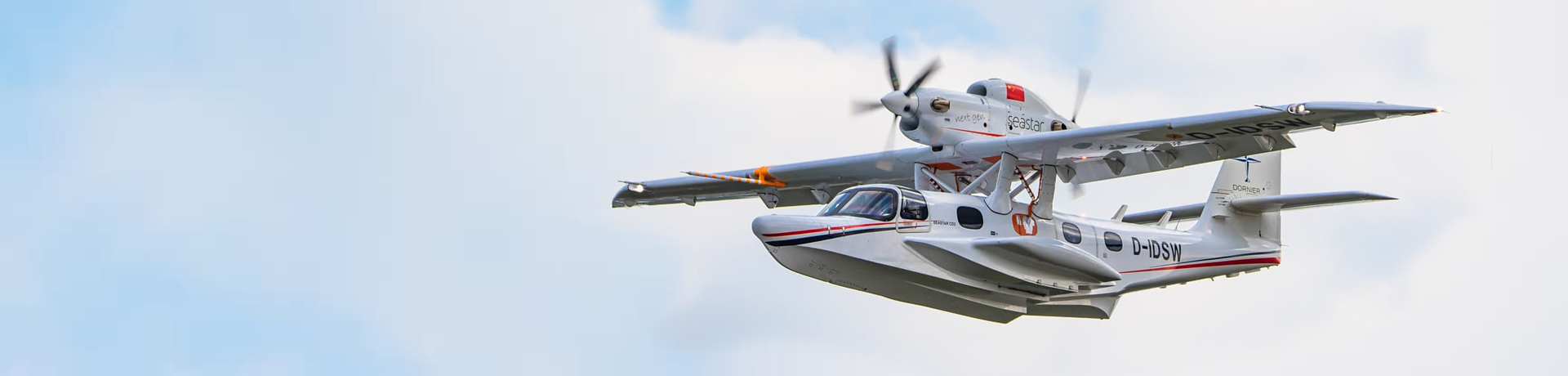
The Dornier Seastar program combined aircraft performance modeling, flight test engineering, aerodynamic refinement and water-operation optimization.
Key Contributions
- Aircraft performance model for POH Section V
- Flight test methodology for drag polar analysis
- Pitot-static calibration using radar-altimeter lake passes
- Wingtip and aileron refinement
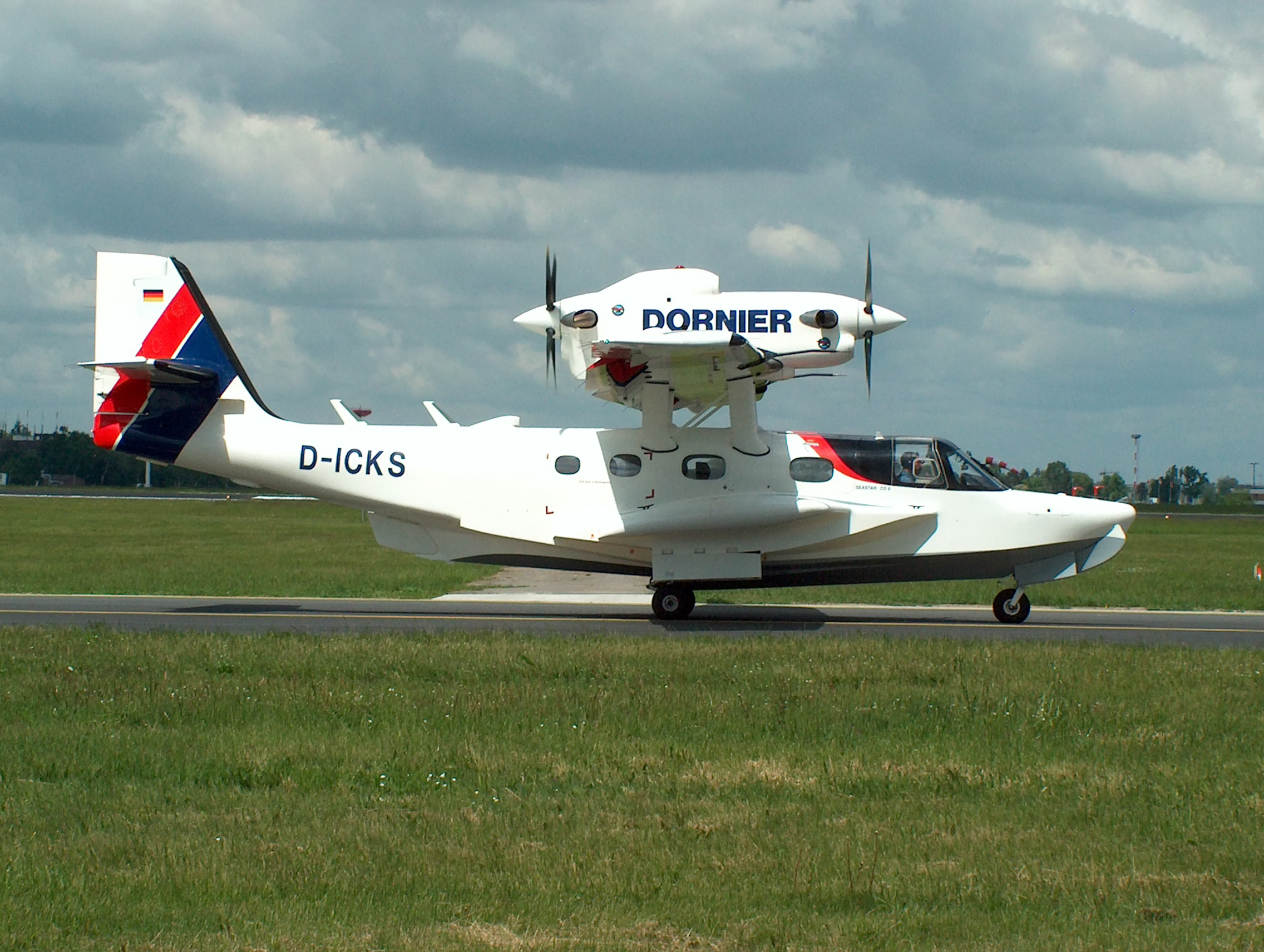
- Hull keel improvements for water operations
Performance Modeling
As Development Engineer, responsibilities included creating a comprehensive aircraft performance model based on flight physics and computer programming. This model became the basis for Section V of the Pilot’s Operating Handbook, covering takeoff, landing, climb, cruise and range performance.
Flight Test Engineering
A dedicated concept for determining lift-to-drag ratio and drag polar data was developed and implemented through flight testing. A new pitot-static calibration method used radar-altimeter data during low-level lake passes, reducing complexity while preserving accuracy.
Roll reversal time was reduced significantly after aileron resizing following the wing extension.
Aerodynamic Refinement
Contributions to the wing extension and triangular wingtip design helped reduce stall speed and improve stall characteristics, including a less aggressive wing drop during stall.
Water Operations
The hull design was improved to reduce impact loads during rough-water operations. A new keel configuration with 15-degree keels on each side helped improve handling and reduce impact severity.
Testing Workflow
New procedures enabled immediate mathematical and physical evaluation of flight test data directly after each flight, accelerating engineering decisions and configuration development.
View related project
Link to an external website, research project or reference page.